Cruise Ports
Rome from Civitavecchia: A Cruise Port Guide That Accounts for the Journey
Understand the Civitavecchia-versus-Rome difference, port shuttles, train and tour choices, timed tickets and realistic 4-, 6- and 8-hour cruise plans.
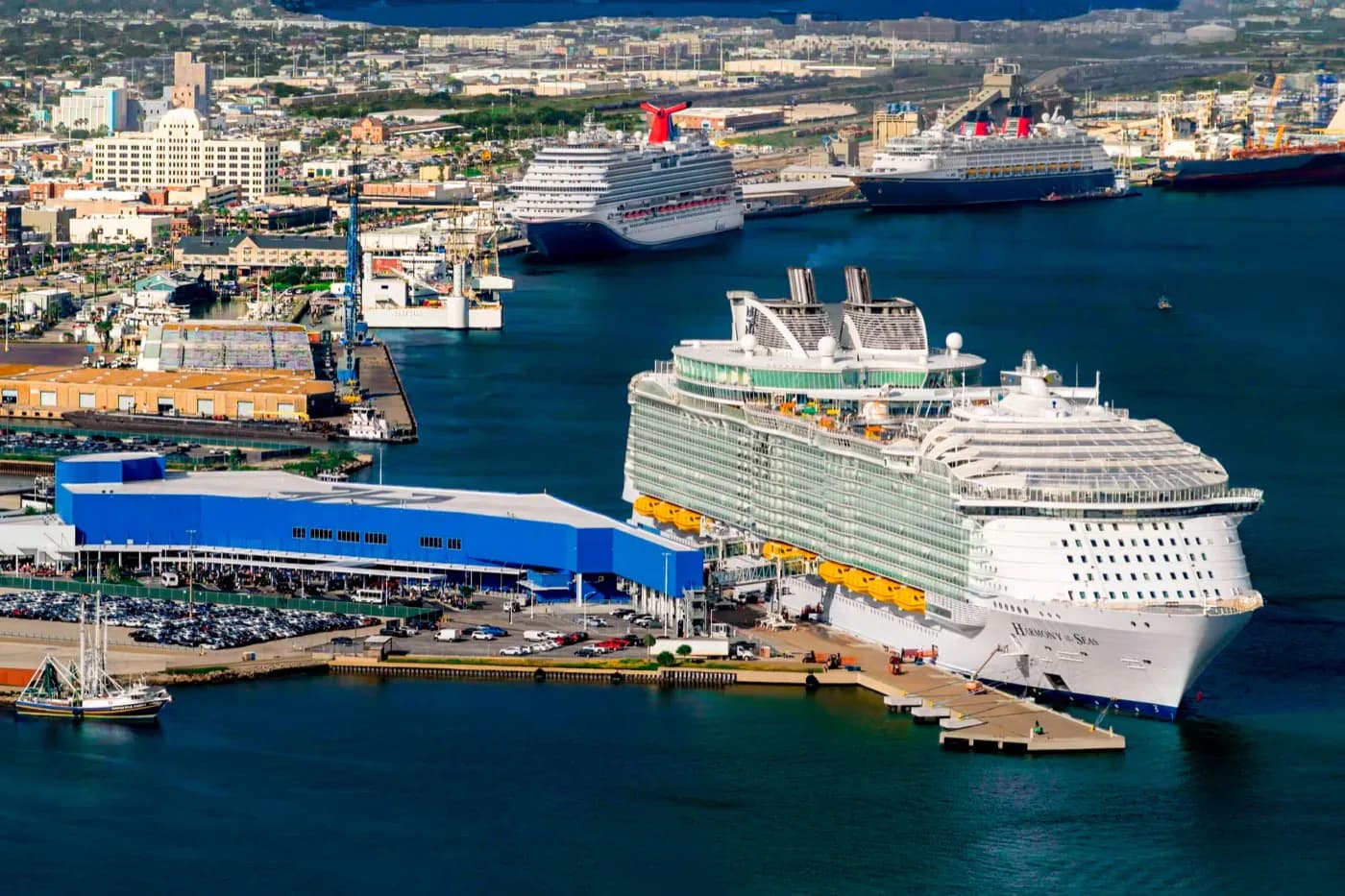
A cruise itinerary may say “Rome,” but the ship docks at Civitavecchia, a working port on the coast well outside the capital. That is the most important fact in planning this call. Reaching central Rome commonly consumes a substantial part of the morning, and returning consumes another substantial part of the afternoon. A port day can still be memorable, but only if you choose a narrow version of Rome.
The classic mistake is booking the Vatican Museums, Colosseum and a cross-city walking tour as though the gangway opens beside the Trevi Fountain. It does not. For most cruise visitors, one major reserved site plus a compact neighborhood is the right scale.
Where the Ship Actually Docks
Civitavecchia is normally a dock port. Cruise berths are inside a large, controlled harbor where passenger walking routes vary. Port shuttles move passengers between berths and designated interchange points; many cruise guests use Largo della Pace before continuing to the station, a tour coach or private vehicle. Pier and shuttle patterns can change with the day's ship traffic, so follow the instructions issued on board.
Do not confuse the free internal port shuttle with transportation all the way to Rome. Reaching Civitavecchia railway station may involve a separate local connection or walk from the port drop-off. Trenitalia also markets a Civitavecchia Portlink connection; check its current routing and ticket terms on the official Trenitalia page.
Train, Private Transfer or Ship Coach?
Regional train: This is often the value choice. Different Rome stations suit different plans: San Pietro can work for the Vatican area, Ostiense for ancient Rome with an onward metro or taxi, and Termini for central connections. Train frequency, stopping patterns and platform changes vary. Validate or activate the ticket as its terms require, and never plan around the final train that could theoretically make all aboard.
Private or shared vehicle: Door-to-door travel reduces transfers, especially for families and mobility-limited travelers, but road traffic remains unpredictable. Agree on pickup locations and the return time in writing.
Ship excursion or “Rome on Your Own” coach: This is often the most rational option for a first visit, a short call or anyone who values coordinated return transportation. Read the description carefully: a transfer-only excursion may leave you far from the attraction you booked, and an escorted panoramic tour may not include interior admissions.
How Much Time Is Left for Rome?
Allow roughly 75 to 90 minutes each way as a planning range once port access, waiting and central-city movement are included; disruptions can make it longer. This is not a timetable or guarantee. Work backward from all aboard and set an independent travel cutoff that leaves at least 60 to 90 minutes of additional margin at Civitavecchia.
The plans below use total usable time from gangway departure to gangway return. If the call itself is only six hours, the six-hour plan is too large once clearance and buffer time are deducted.
A Realistic 4-Hour Plan
Stay in Civitavecchia. Walk the waterfront and historic center, see the exterior of Forte Michelangelo when accessible, enjoy a relaxed lunch and return without converting a short call into a transportation race. This is also the right choice when the ship clears late or rail disruption is announced.
A four-hour window is not enough for a responsible independent trip to central Rome. A ship-operated panoramic excursion may offer a brief look, but much of the call will be spent in transit.
A Realistic 6-Hour Plan
Six usable hours can support a single-zone Rome visit with organized transportation. Choose either the Vatican/St. Peter's area or an exterior-focused ancient-and-baroque route. A transfer to central Rome followed by Piazza Navona, the Pantheon exterior or timed interior, Trevi Fountain and the Spanish Steps can work if walking pace and crowds cooperate.
A fixed Colosseum entrance within this window is vulnerable to a late port departure. If it is the one non-negotiable sight, use a ship excursion that includes the admission or a private transfer with a conservative ticket time. Do not add the Vatican Museums.
A Realistic 8-Hour Plan
Eight usable hours is the common threshold for one substantial Rome experience. Two sensible choices are:
- Ancient Rome: a timed Colosseum visit, a limited Forum/Palatine route and one nearby viewpoint or lunch.
- Vatican focus: the Vatican Museums and Sistine Chapel with a separate, schedule-aware visit to St. Peter's Square or Basilica if access permits.
Crossing the city to combine the Vatican Museums and Colosseum is technically possible on paper and strategically poor for most cruise calls. Security lines, walking distances and summer heat leave no resilience. Choose the story you want Rome to tell that day.
Timed Tickets and the Sunday Problem
The Colosseum requires a reserved entry time for standard visits, and the official park currently releases many tickets on a defined advance schedule. Confirm the current rule and buy only through the official Colosseum Archaeological Park. A Colosseum ticket time does not eliminate airport-style security or the time needed to reach the entrance.
The Vatican Museums operate their own calendar and warn visitors to use the official ticket portal linked by the Vatican Museums. They are generally closed on Sundays except designated openings, while St. Peter's Basilica is a working church whose tourist access can change for liturgies and papal events. First Sundays, holidays and special free-admission dates can also bring unusual crowds at state sites.
Many museums close on Monday, but the pattern is not universal. Churches may be open for worship yet unavailable for sightseeing. Always check the official calendar for the exact date and do not buy a third-party “skip-the-line” product without understanding what line it actually skips.
Independent Travel Versus a Ship Excursion
Independent travel makes sense for experienced European rail users who are comfortable abandoning part of the plan when delays appear. Keep live train options open, carry the port-agent details and know which Rome station best serves the day's single priority.
A ship excursion is especially valuable for first-time visitors, wheelchair users needing a confirmed adapted vehicle, families with young children, or anyone booking a high-demand interior. The practical benefit is not that Rome's traffic disappears; it is that the cruise line coordinates the tour's return when ordinary delays affect the group. Ask what happens if an attraction changes access after booking.
Accessibility and Family Considerations
Rome's ancient paving, broken sidewalks, steps and dense crowds can make a short day strenuous. Some rail stations and lifts may be temporarily unavailable. An accessible private transfer or ship excursion should specify the vehicle, tie-down capacity, walking distance and whether the exact attraction route is step-free.
Families should avoid a “greatest hits” march. One iconic site, a piazza, lunch and gelato are enough. Strollers struggle on cobbles and in the Forum; a carrier may be useful for small children, though summer heat makes rest and water essential.
Return-to-Ship Risk
Civitavecchia has one of the highest independent-return risks among major Western Mediterranean calls because the destination city is far from the berth and the final port shuttle adds another link. Be back in Civitavecchia well before your theoretical last acceptable arrival. A train arriving shortly before all aboard is not a plan; it is a gamble on the rail line, the station exit and the port shuttle all working perfectly.
Monitor official Trenitalia notices, especially around strikes and engineering work. If disruption develops, shorten the visit early. Taxis from Rome may be scarce at peak times, and road travel can be slower than rail.
Rome and Civitavecchia FAQs
Does the ship dock in Rome?
No. It docks in Civitavecchia, well outside Rome.
Can I do the Vatican and Colosseum in one cruise day?
It is not a good default plan. Choose one major interior and build a compact day around it.
Is the train station beside the ship?
No. The berth is inside the port, and passengers normally need an internal shuttle plus a walk or local connection to the station.
What if my call is on Sunday?
Check each official site. The Vatican Museums normally have limited Sunday openings, churches prioritize services and special events can alter access.
How early should I return?
Independent travelers should leave enough time to reach Civitavecchia, clear the station-to-port connection and still be at the gangway at least 60 minutes before all aboard; more margin is prudent.
Choose the Right Version of Rome
Rome is magnificent even when you see only a fragment. The successful cruise day is the one that respects the distance from Civitavecchia. Ben's Travel can help compare itineraries, transfer-only choices and fully guided excursions, then match the plan to your must-see site and risk tolerance. Contact Ben's Travel before locking in independent timed tickets.