Cruise Ports
Philipsburg, St. Maarten Cruise Port Guide: Beaches, Transport and Smart Timing
Plan a Philipsburg cruise call with precise Pointe Blanche terminal geography, water-taxi and road options, realistic 4-, 6-, and 8-hour plans, beach comparisons, accessibility, and return-to-ship advice.
St. Maarten packs two countries, celebrated beaches and a surprising number of possible traffic delays into one compact island. A short port day can be as simple as a water-taxi ride to the Philipsburg Boardwalk and Great Bay Beach. A longer call can reach Mullet Bay, Maho’s aircraft views, Orient Bay on the French side or a cross-island food-and-scenery circuit. The mistake is assuming that “small island” means every combination is easy.
The Dutch side is Sint Maarten or St. Maarten; the French side is Saint-Martin. There is no routine immigration checkpoint at the land border, but road congestion does not respect the island’s size. Choose a plan with one primary area, verify the final pier or tender instructions, and protect the return before adding another stop.
Exact Cruise-Terminal Geography
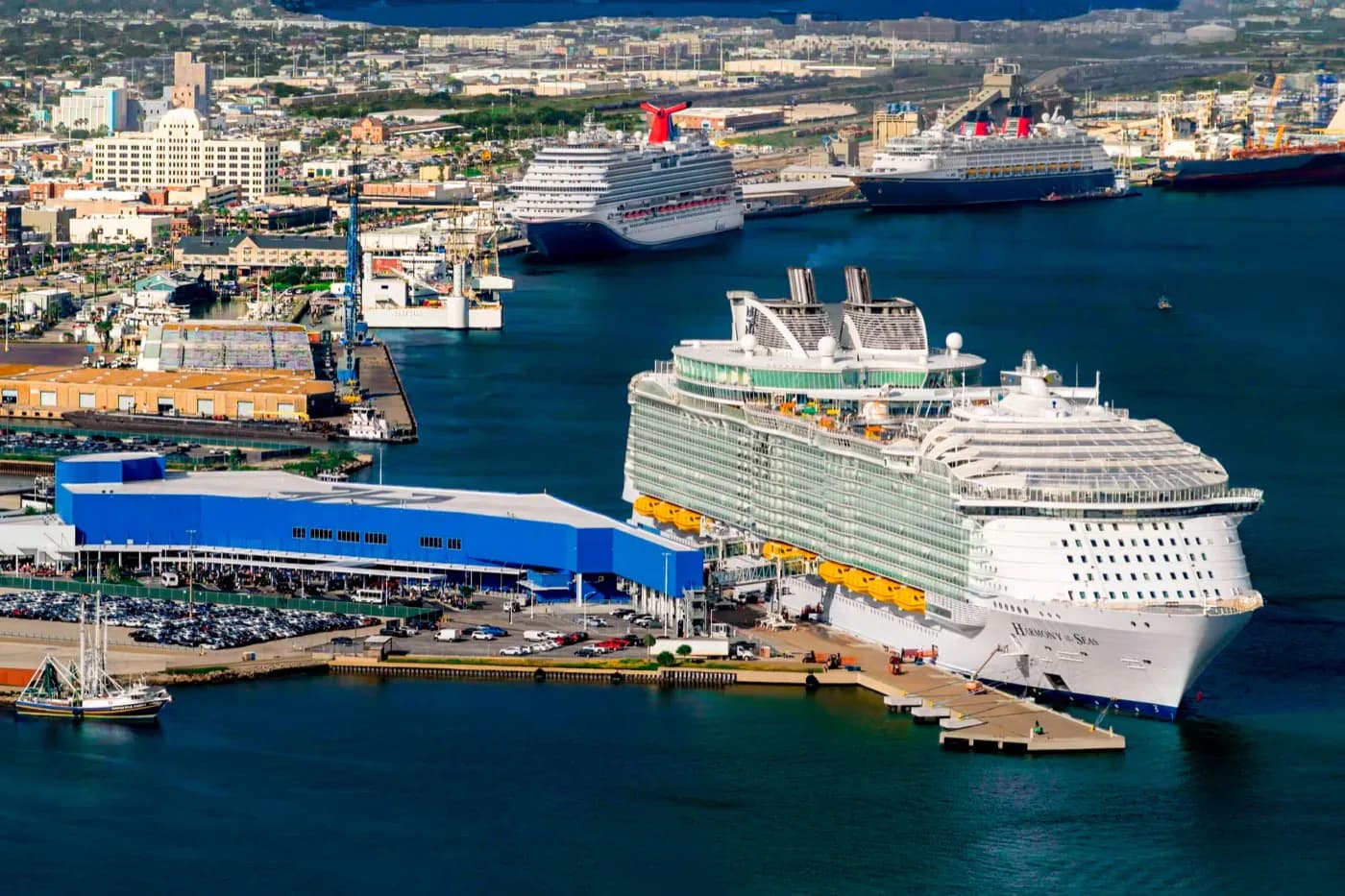
The main cruise facility is the Dr. A.C. Wathey Cruise & Cargo Facility at Pointe Blanche, on the southeastern side of Great Bay. It is not on the Philipsburg Boardwalk itself. After leaving the ship, passengers pass through Harbour Point Village, the port’s organized area for shops, bars, tour dispatch, taxis and buses.
Port St. Maarten operates two large cruise piers. Its official cruise information describes Pier 2 as a 445-meter facility able to berth two very large ships, and multi-ship days are routine. Most mainstream calls dock here, allowing passengers to walk directly ashore. A berth can still change, and smaller or overflow vessels may occasionally anchor and tender when directed by the port and cruise line. If your ship specifies tendering, plan from the announced landing point and last-tender time rather than from Pointe Blanche.
Central Philipsburg wraps around the north side of Great Bay. The Boardwalk follows the beach; Front Street, the main shopping spine, runs parallel just inland. Port St. Maarten says passengers can walk from the terminal area to Philipsburg in about 15 minutes, but that estimate assumes ordinary pace and heat. A water taxi is usually more comfortable and removes roadside walking.
Water Taxi, Road Taxi or Public Minibus?
Water taxis connect the cruise-port area with three official waterfront stops identified by Port St. Maarten: Bobby’s Marina, Walter Williams Jetty and Captain Hodge Wharf. The exact operating pattern can vary with demand and conditions. Ask which stop is next and where to board for the return. The water taxi is best for Philipsburg, Great Bay Beach and Front Street; it is not transport to Maho, Mullet Bay or the French side.
Licensed road taxis queue at Harbour Point Village and are the practical choice for beaches beyond Great Bay. St. Maarten taxis commonly use fixed-zone fares rather than meters. Confirm the total fare, whether it changes with group size, and the pickup plan before leaving. For a one-way beach trip, ask whether taxis reliably wait there or arrange a return time and contact method.
Public minibuses are an inexpensive local option along major corridors, with destination signs in the windshield but no formal timetable. They are useful for flexible travelers going between Philipsburg, Simpson Bay and Maho. They are a poor choice for a tight all-aboard time because they do not operate as a cruise shuttle, may fill, and can be delayed by traffic. The bus route also does not begin at the ship’s gangway; allow time to reach the correct stop in town.
Calculate the Day from All-Aboard
A published 8:00 a.m.–5:00 p.m. call does not create nine hours of sightseeing. Clearance, the walk along a long pier, tour dispatch and the ship’s earlier all-aboard time all reduce it. Tendering reduces it further. For an independent road trip, plan to reach Harbour Point Village at least 60 minutes before all-aboard. Increase that cushion after Maho, Mullet Bay, Simpson Bay, Orient Bay or Grand Case because a collision, bridge opening, roadwork or normal multi-ship traffic can slow the island’s limited road network.
The sample plans below use usable hours ashore, after disembarkation and before your chosen return buffer.
A Realistic 4-Hour Philipsburg Plan
Keep a four-hour visit centered on Great Bay. Take the water taxi to the Philipsburg waterfront, walk the Boardwalk, move one block inland for Front Street, and choose either beach time or a relaxed meal. Great Bay Beach is the convenience winner: you can see the ship across the bay and shorten the day easily. Confirm the last practical water-taxi departure, but retain the road or walking route as a backup.
A direct out-and-back taxi to one farther beach can fit, but it leaves little room for a second district. Maho is especially poor as a quick gamble because aircraft timing is not guaranteed and road traffic can consume the visit. With only four usable hours, enjoying Philipsburg is better than spending much of the call in a vehicle.
A Balanced 6-Hour St. Maarten Plan
Six usable hours support one major beach away from town plus a short Philipsburg stop.
- Mullet Bay: prioritize swimming and sand, then return directly to Philipsburg for a brief Boardwalk walk if traffic and time remain.
- Maho and Mullet pairing: use Maho for a short, carefully timed aircraft-viewing stop and Mullet Bay for the actual beach portion. A prearranged driver makes this much more dependable.
- Orient Bay: make the French-side beach the main event, with only a possible quick port-area stop afterward.
- Island overview: book a half-day circuit with limited, defined stops rather than a vague “see everything” tour.
Tell a private driver which experience matters most. If traffic grows, the least important stop should be removed before the return margin is touched.
An 8-Hour Two-Country Plan
With eight usable hours, a two-country loop becomes reasonable. One sound sequence is Pointe Blanche to an eastern viewpoint or Orient Bay, then Grand Case or Marigot for a short food-and-streets stop, followed by a direct return across the Dutch side. Another is Mullet Bay, a brief Maho stop and Simpson Bay before the port. Either itinerary should use a driver who understands cruise timing and can change direction if the road network slows.
Do not make a neighboring-island ferry the default independent plan. Anguilla, St. Barthélemy and smaller offshore trips add marine schedules, immigration requirements and another operator between you and the ship. They are better as a cruise-line excursion or a thoroughly vetted cruise-day product with conservative return timing.
Choosing the Right Beach
Great Bay Beach is directly along the Philipsburg Boardwalk and is the easiest beach to combine with shopping and dining. It is ideal for a low-logistics day, but it is an urban harbor beach with regular marine activity. Check local conditions after heavy rain and keep clear of marked vessel approaches.
Mullet Bay is the better west-side choice when swimming and a broad sandy setting matter more than aircraft. Conditions can still change, and facilities may be simpler than at a resort beach. Arrange the return before settling in.
Maho Beach is an aviation-viewing attraction with a beach attached, not the island’s best relaxed swim day. Aircraft schedules change, the strand can narrow with sea conditions, and jet blast near the airport fence can cause serious injury. Obey warning signs, remain off the roadway and fence, supervise children closely, and never build the ship return around seeing one particular flight.
Orient Bay on the French side offers a long beach, restaurants and watersports, with a more resort-like day than Great Bay. It is exposed to Atlantic conditions and requires a longer road transfer. Families should also understand that French-side beach culture is more relaxed about topless sunbathing, and the southern end has historically included a clothing-optional area. Choose the section that suits your group.
Little Bay is closer to the cruise area than the west-side beaches and can suit travelers who want resort services without going as far as Maho. Access and day-use arrangements can change, so confirm them before arrival rather than assuming hotel facilities are public.
What “Same-Day Feasible” Really Means
Philipsburg plus Great Bay is feasible on almost any ordinary call because it is close, reversible and served by multiple transport modes. One outlying beach is feasible with six usable hours. A cross-island loop is feasible with eight hours and controlled stops. Maho plus Orient Bay plus Marigot plus Philipsburg is not a sensible checklist simply because each place appears nearby on a map.
Boat excursions require separate judgment. A local coastal catamaran designed for cruise passengers may be very workable. A public international ferry with independent immigration and a tight final connection is a higher-risk proposition. Ask where the boat departs, when it returns to land, how guests reach the cruise terminal afterward and what the operator does if sea conditions change.
Families and Accessibility
Harbour Point Village and much of the Boardwalk are relatively level, but the distance along the cruise pier can be substantial. Water-taxi boarding involves moving gangways and steps that vary with tide and vessel; it should not be assumed wheelchair accessible. Ask the cruise line about pier assistance and ask the operator specifically about the traveler’s device, transfer ability and companion needs.
Shared taxis and public minibuses may have high steps and limited room for scooters. Reserve an appropriate accessible vehicle before the cruise rather than relying on the taxi queue. On the beach, soft sand is the main barrier, and accessible restrooms or beach mats are not consistent across locations. A confirmed resort day pass or cruise excursion can provide clearer information than an improvised beach drop-off.
For families, Great Bay minimizes transport, Mullet Bay emphasizes beach time, and a short Maho stop can interest older children who follow safety directions. Orient Bay’s longer ride and more open-water conditions deserve extra consideration with young swimmers.
Independent Exploration or Ship Excursion?
Go independent for Philipsburg, Great Bay, one Dutch-side beach, or a private island tour with a reputable driver and conservative route. These outings can be shortened if the ship clears late.
Prefer a ship excursion for an international ferry, a long boat itinerary, a highly structured adventure far from Pointe Blanche, or any plan involving a traveler whose accessible transport must be guaranteed. The cruise line’s return protection is most valuable where road and marine dependencies multiply.
Return-to-Ship Risk
- Photograph the ship’s all-aboard notice and save the local port-agent number.
- Give independent operators the ship name and Pointe Blanche berth or tender status.
- Build at least a 60-minute terminal-area cushion; add more from the French side or west coast.
- Do not count on a particular aircraft arrival, bridge opening or public bus.
- Carry enough cash for a licensed taxi if a bus or water taxi no longer fits.
- If tendering, treat the ship’s last-tender time as a hard cutoff and join earlier when lines build.
Frequently Asked Questions
Can I walk from the cruise pier to Philipsburg?
Yes. Port St. Maarten describes the walk as about 15 minutes, but heat, pier length and mobility can make it feel longer. The water taxi is the more comfortable default for many visitors.
Is Great Bay Beach at the cruise terminal?
No. The beach fronts Philipsburg across the inner curve of Great Bay. Use the water taxi, a road taxi or the signed walking route from Harbour Point Village.
Can I do Maho and Orient Bay in one cruise day?
It may fit a long call with a private driver, but the two beaches sit in different parts of the island and the plan is vulnerable to traffic. Most travelers will have a better day choosing one coast and adding a nearby stop.
Do I need to exchange money?
U.S. dollars are widely accepted in visitor areas on both sides, but the official currencies and exchange practices differ. Confirm the amount and currency before a taxi ride or purchase, and carry a payment backup.
Will I go through immigration at the French-side border?
There is generally no routine immigration control for a road crossing between the Dutch and French sides. International boat trips are different and may require formalities and specific travel documents.
Does every ship dock?
The modern Pointe Blanche facility handles very large ships and docking is the norm for mainstream calls, but an operational berth or anchorage decision can change. Follow your cruise line’s current notice and do not promise an operator that you will walk off until the arrival mode is confirmed.
Official Sources to Check Before You Go
- Port St. Maarten cruise information for terminal facilities, official waterfront transport stops and current port details.
- Port St. Maarten ship schedules and marine notices for current operational information.
- St. Maarten Tourism Bureau transportation guide for taxis, public minibuses and water transport.
- St. Maarten Tourism Bureau for current beach, district and visitor information.
Plan the Port Day Around What You Value
St. Maarten is at its best when you stop trying to circle every famous name on the map. Ben’s Travel can help compare Eastern Caribbean itineraries, decide whether Philipsburg should be your easy beach day or your ambitious island tour, and select excursions with honest transfer and return timing. Contact Ben’s Travel to design a cruise in which St. Maarten feels generous—not rushed.