Who’s Cruising
Cruising with a CPAP or BiPAP: Power, Water and Cruise Line Rules
How to cruise with a CPAP or BiPAP: whether to tell the cruise line, distilled water, outlets and extension cords, packing and flights.
3 min read
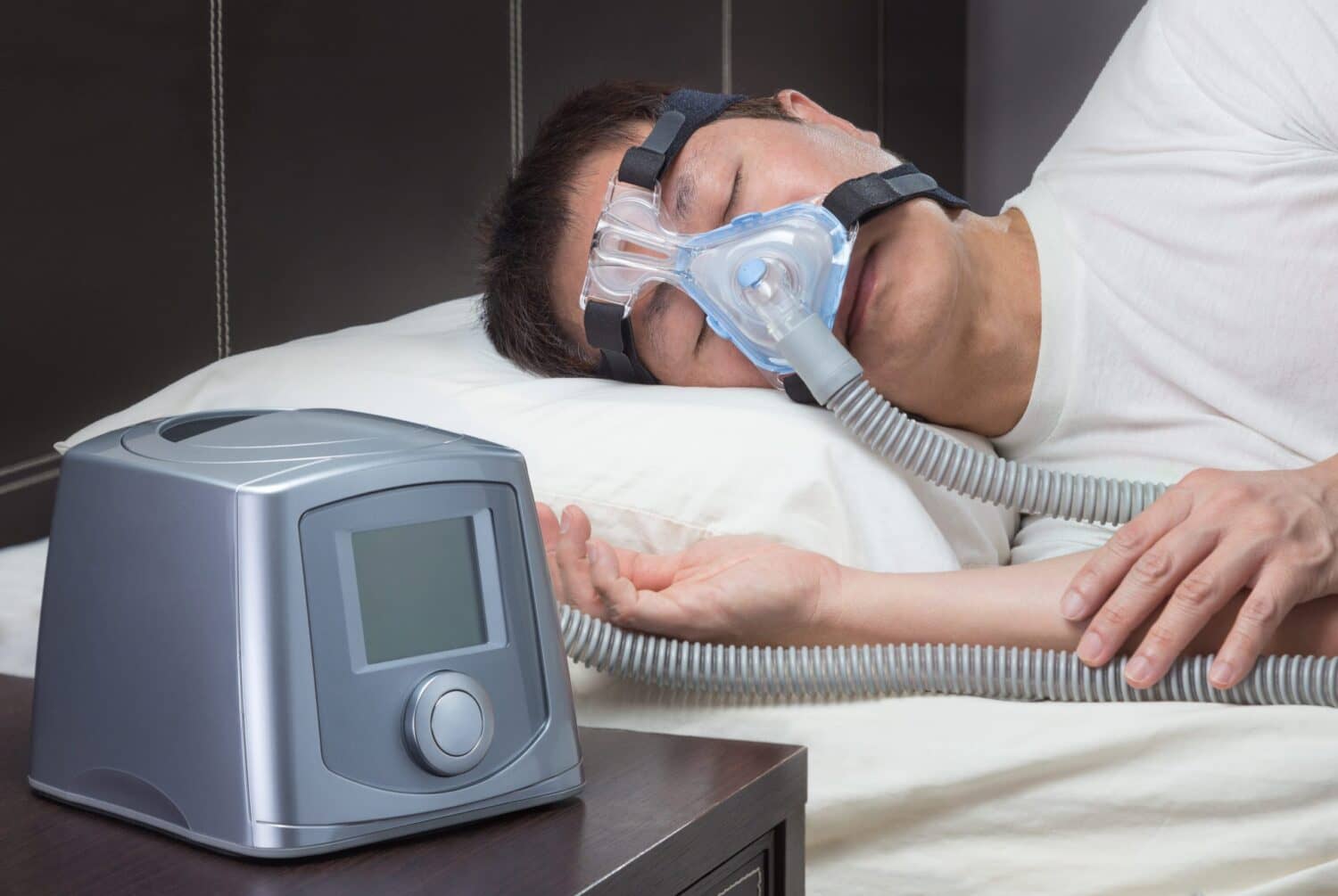
CPAP and BiPAP machines are welcome on every major cruise line. The questions are practical ones: whether to tell the line, where to get distilled water, and how to power the machine by the bed. Here's what to know.
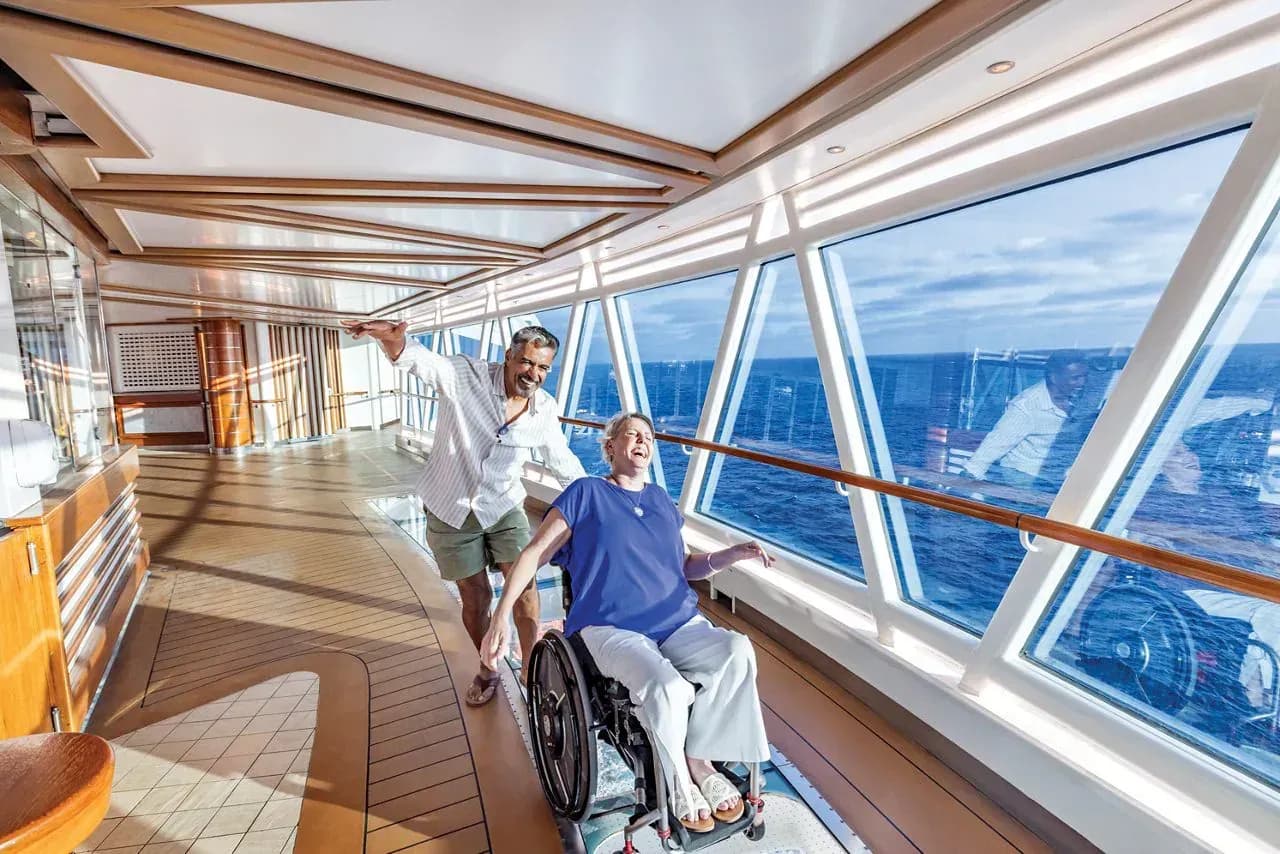
For accessibility on cruises more generally, see our accessible cruising guide. If you also use supplemental oxygen, see cruising with oxygen.
Do you need to tell the cruise line?
- Often it's not required. Carnival and Holland America say you don't need approval or advance notice to bring a CPAP or BiPAP.
- Sometimes it gets you extras. On Royal Caribbean, requesting CPAP support through the Guest Special Needs Form, ideally at least 30 days before sailing, is how you get distilled water and an extension cord set up in your stateroom.
- We note it either way. When we book your cruise, we add your CPAP to your booking.
Distilled water
- Royal Caribbean and Norweigian provides distilled water for CPAP machines free of charge when you request it in advance, so you don't need to bring any.
- Carnival sells distilled water for CPAP machines, either before your cruise or on board. You can also bring your own, as long as you hand-carry it with your CPAP.
- Other lines: Many lines limit bringing water and other drinks on board, so check before you pack a jug.
Power by the bed
- Ask about the outlet. Outlets aren't always close to the bed, especially on older ships, so ask the line to confirm there's one within reach.
- Surge protectors are banned on major lines.
- Royal Caribbean doesn't allow guests to bring extension cords or power strips, but it can provide an extension cord for a CPAP if you request it in advance.
- Other lines allow some power strips. Carnival and Norwegian have allowed power strips without surge protection, but security can remove anything it considers unsafe. Check the current prohibited-items list before you pack.
- Check the outlet type. Ships sailing from North America usually have U.S.-style outlets, and many also have European ones. Most CPAP power supplies handle both voltages, but check the label and bring the right plug adapter.
Packing and boarding
- Hand-carry your machine. Always hand-carry it rather than check it, as it is sensitive equipment. You don't want to lose a nights sleep if your luggage is lost or damaged.
- Bring every supply you need, including masks, cushions, tubing and filters, plus spares. Holland America notes these aren't available on board.
- Label the machine and supplies with your name and stateroom number.
- You can rent one. Holland America points guests to Special Needs at Sea and Scootaround, which deliver equipment to the ship.
Flying with your CPAP
- It doesn't use up your carry-on allowance. U.S. airlines treat a CPAP as a medical device, so it doesn't count toward your carry-on limit.
- Expect screening. TSA may ask you to take the machine out of its case for screening.
- Using it in flight takes planning. If you want to use it on an overnight flight, check the airline's rules and bring a compatible battery.
Quick checklist
- CPAP or BiPAP, power cord and a spare filter
- Mask, cushions and tubing, plus spares
- EU to US plug adapter is always helpful as most ships will have both and allows you to have an extra outlet.
- Distilled water arranged with the line, or your own if allowed
- An extension cord requested from the line if needed
- A battery if you'll use it on a flight
How we help
We'll note your CPAP on your booking, request distilled water and an extension cord where the line provides them, and check your stateroom's power setup. Request a complimentary cruise quote.